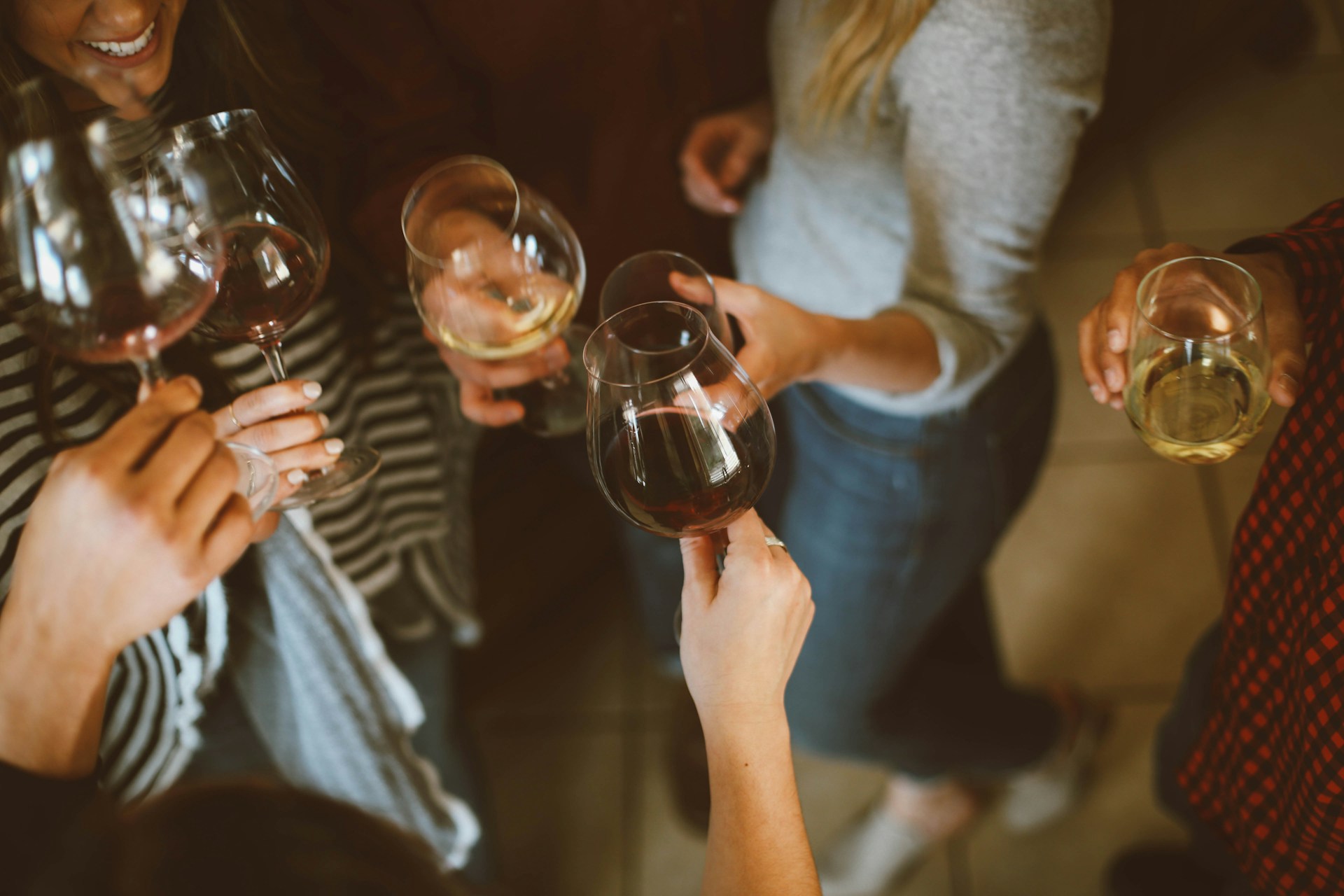

For many women, pouring a glass of wine at the end of a long day just feels like a reward. It is a way to relax after juggling work deadlines, family responsibilities, and social commitments. That drink feels like a small reward after giving energy to everyone else all day.
The ritual of wine o’clock has even become a cultural phrase, shared in memes and conversations. Yet, behind the humor and casual tone, there is a growing concern that’s worth paying attention to.
More women who appear confident, successful, and well put together face alcohol dependence in private.
The Hidden Connection Between Success and Drinking
Women who seem to have it all are often under enormous pressure. They manage careers, households, relationships, and personal goals. With so many demands, alcohol can slip in as a quick fix for stress or exhaustion.
At first, it feels harmless. A glass of wine while cooking dinner, a cocktail with friends, or a drink to unwind before bed. Over time, though, the habit can grow into something deeper. What starts as a way to relax becomes a reliance, and alcohol dependence begins to take root.
Why Alcohol Dependence in Women Is Rising
 There are several reasons why alcohol dependence is rising among women today. Social drinking has become more normalized, with wine marketed as a lifestyle accessory. Stress levels are higher than ever, and many women feel they need to keep performing at their best in every area of life.
Alcohol offers temporary relief, but it also masks deeper issues like anxiety, depression, or burnout. Hormonal changes across different stages of life can also make women more vulnerable to the effects of alcohol, intensifying mood swings and emotional lows.
Signs That Wine O’clock Is Becoming a Warning Sign
It is not always easy to recognize when casual drinking has crossed into dependence. Some signs include;
- Needing alcohol to relax
- Feeling irritable without it
- Drinking more than intended
- Hiding how much is consumed
Another warning sign is when alcohol starts interfering with sleep, relationships, or work performance. These changes may feel small at first, but they add up and point to alcohol dependence.
Breaking free from alcohol dependence does not always mean dramatic changes overnight. Small, practical steps can make a difference. There are some unconventional tips that women have found helpful.
Unconventional Tips to Break the Cycle
- Replace the ritual, not just the drink. If pouring wine signals the end of the day, try replacing it with a calming tea, sparkling water, or a short walk outside.
- Keep a journal of triggers. Writing down when and why the urge to drink appears helps reveal patterns.
- Try dry socializing. Meet friends for coffee, a walk, or a fitness class instead of drinks.
- Explore creative outlets. Painting, gardening, or learning a new skill can provide the same sense of release without alcohol.
- Practice mindful pauses. Before reaching for a drink, pause and ask: “What do I really need right now, rest, connection, or comfort?”
When Professional Help Is Needed
There is no shame in reaching out for support. Alcohol dependence is not a sign of weakness but a health issue that deserves attention. If drinking feels out of control, if it is affecting relationships, or if stopping feels impossible, professional help is important.
Counselors, therapists, and support groups provide guidance and encouragement. They help women understand the root causes of dependence and build healthier coping strategies.
Treatment is not one-size-fits-all. Different approaches work for different women, depending on their needs and lifestyle.
Some common options include:
- Counseling or therapy to explore emotional triggers and build healthier habits
- Support groups where women share experiences and encourage one another
- Medical treatment, including supervised detox or medication when needed
- Lifestyle changes such as exercise, balanced nutrition, and stress management techniques
- Faith-based counseling for women who want spiritual support alongside practical guidance
Alcohol dependence does not discriminate. It affects women across all walks of life, including those who appear successful and put together. If wine o’clock has started to feel less like a treat and more like a necessity, it may be time to pause and reflect.
Help is available, and recovery is possible. Here on this site, experienced Christian counselors are ready to walk alongside women who are ready to take back control. No matter how polished life looks on the outside, support is waiting for those who need it.
Call the numbers you see here today and get help finding healthier strategies to cope.
Photo:
“Woman is holding a glass”, Courtesy of Jordan González, Unsplash.com, CC0 License
-
 Grace Mavindidze: Author
Grace Mavindidze is an experienced Journalist of close to two decades and a certified SEO specialist writer who enjoys traveling, meeting people from a broad cultural spectrum, as well as engaging people in topics that are informative, entertaining,...
Recent Posts
DISCLAIMER: THIS ARTICLE DOES NOT PROVIDE MEDICAL ADVICE
Articles are intended for informational purposes only and do not constitute medical advice; the content is not intended to be a substitute for professional medical advice, diagnosis, or treatment. All opinions expressed by authors and quoted sources are their own and do not necessarily reflect the opinions of the editors, publishers or editorial boards of Stone Oak Christian Counseling. This website does not recommend or endorse any specific tests, physicians, products, procedures, opinions, or other information that may be mentioned on the Site. Reliance on any information provided by this website is solely at your own risk.